Executive Summary
MarsMarket Darknet functions as a decentralized digital hidden service operating exclusively within the Tor network architecture. Establishing itself as a prominent entity for niche digital commodities, the platform is subjected to intense analysis by cybersecurity researchers and metadata archivists.
Unlike standard web applications, the infrastructure relies on complex onion routing to obfuscate server locations. Observers note a heavy focus on digital goods, software keys, educational literature, and privacy-centric services. The operational design reflects a highly utilitarian approach to anonymous e-commerce, devoid of traditional clearnet tracking mechanisms.
Historical Timeline
Initial Deployment
The foundational cryptographic blocks and routing protocols were first observed on the network. Basic escrow functionalities were introduced to early participants.
Infrastructure Overhaul
Migration to a distributed cluster of V3 onion nodes. Introduced automated rotational mirrors to counter targeted denial-of-service disruptions.
Multisig Integration
Advanced 2-of-3 multi-signature transaction protocols became mandatory for specific high-volume digital asset transfers, completely altering the trust dynamic.
Technical Architecture
Financial Protocols
The framework completely abandoned legacy blockchain support in favor of Monero (XMR). Observers report a strict "Walletless Mode," where funds are never stored on a centralized market balance, reducing systemic risk and potential seizure impacts.
Cryptographic Trust
Data indicates strict enforcement of PGP (Pretty Good Privacy). Communications and configuration signatures require public key verification. Escrow mechanisms ensure funds remain locked until cryptographic confirmation is triggered by participating entities.
Platform Interface Preview
The educational figures below document the frontend structural design. High-contrast typography and minimalist CSS frameworks are utilized to minimize bandwidth across low-latency network relays.
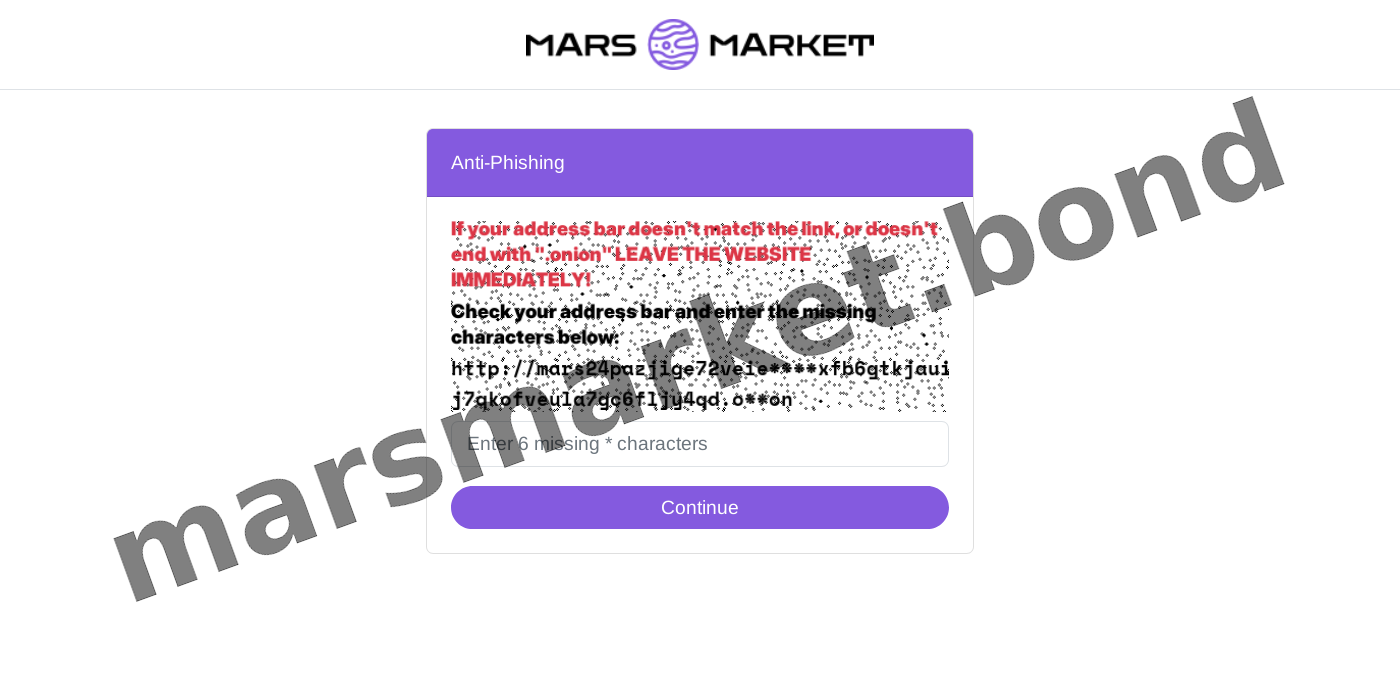
Fig 1. DDoS Protection Screen
Clock-based cryptographic captcha integration.
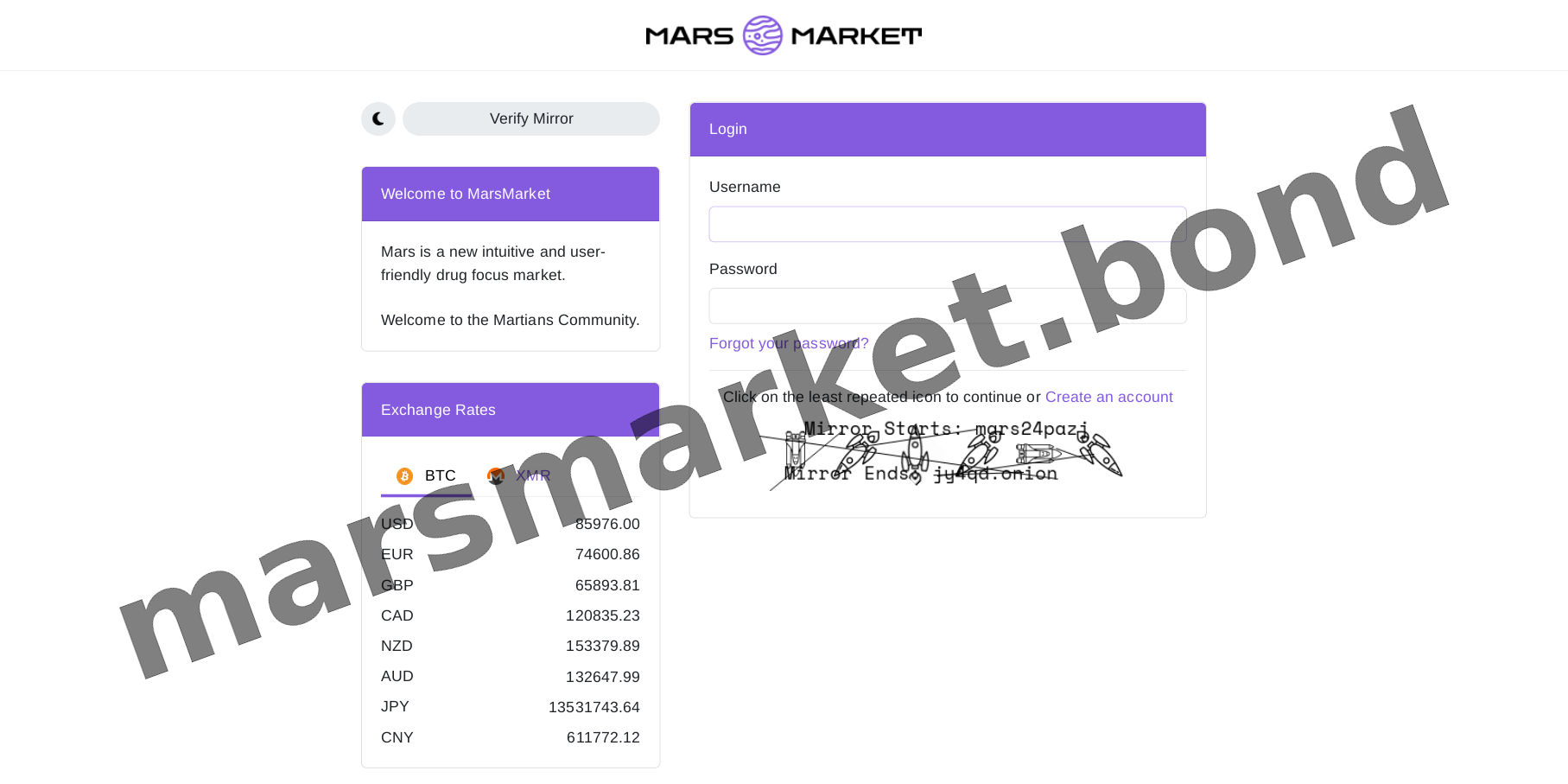
Fig 2. User Login Interface
PGP 2FA prompt requiring decryption.
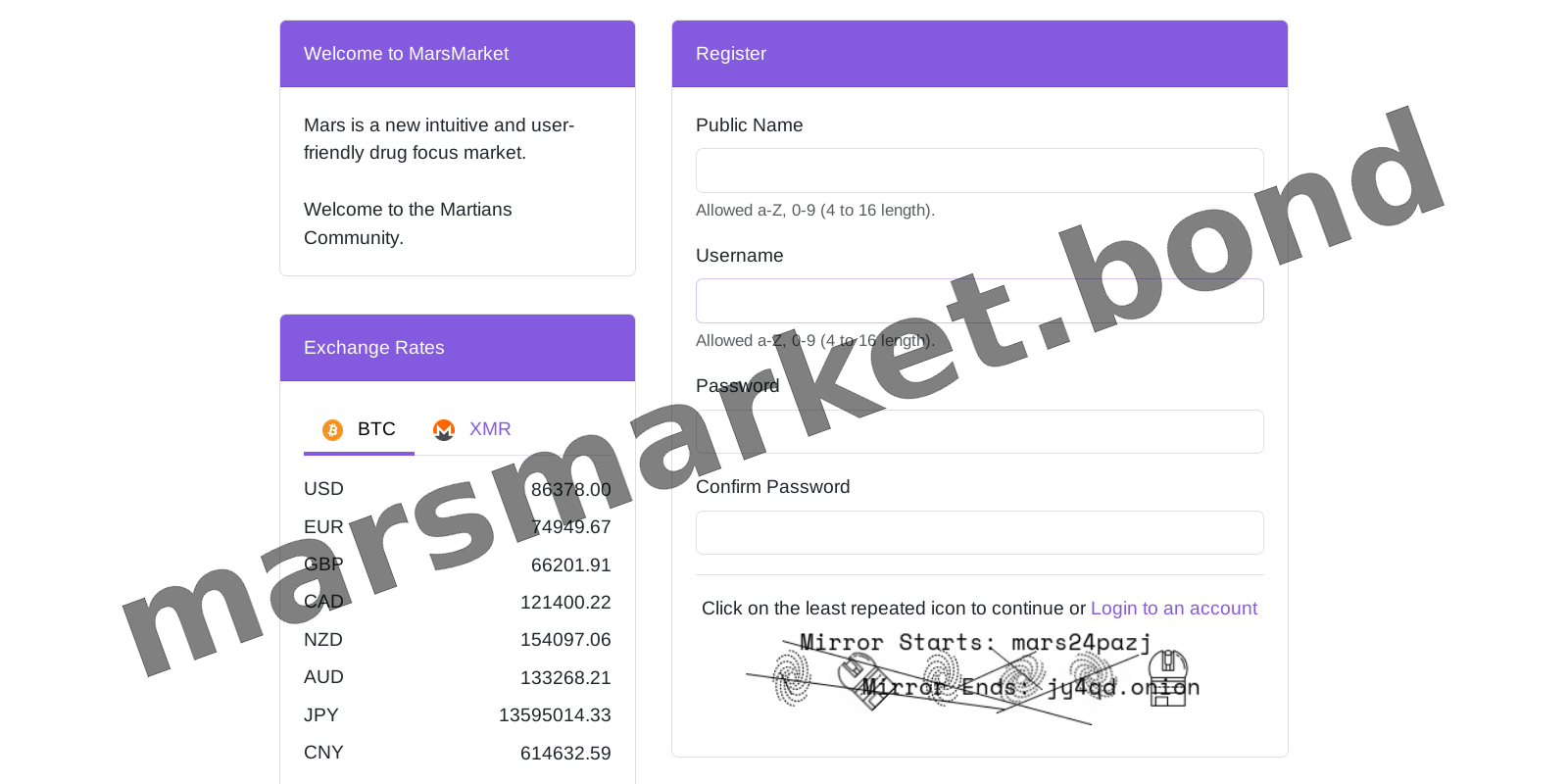
Fig 3. Account Registration Page
Mnemonic generation phase.
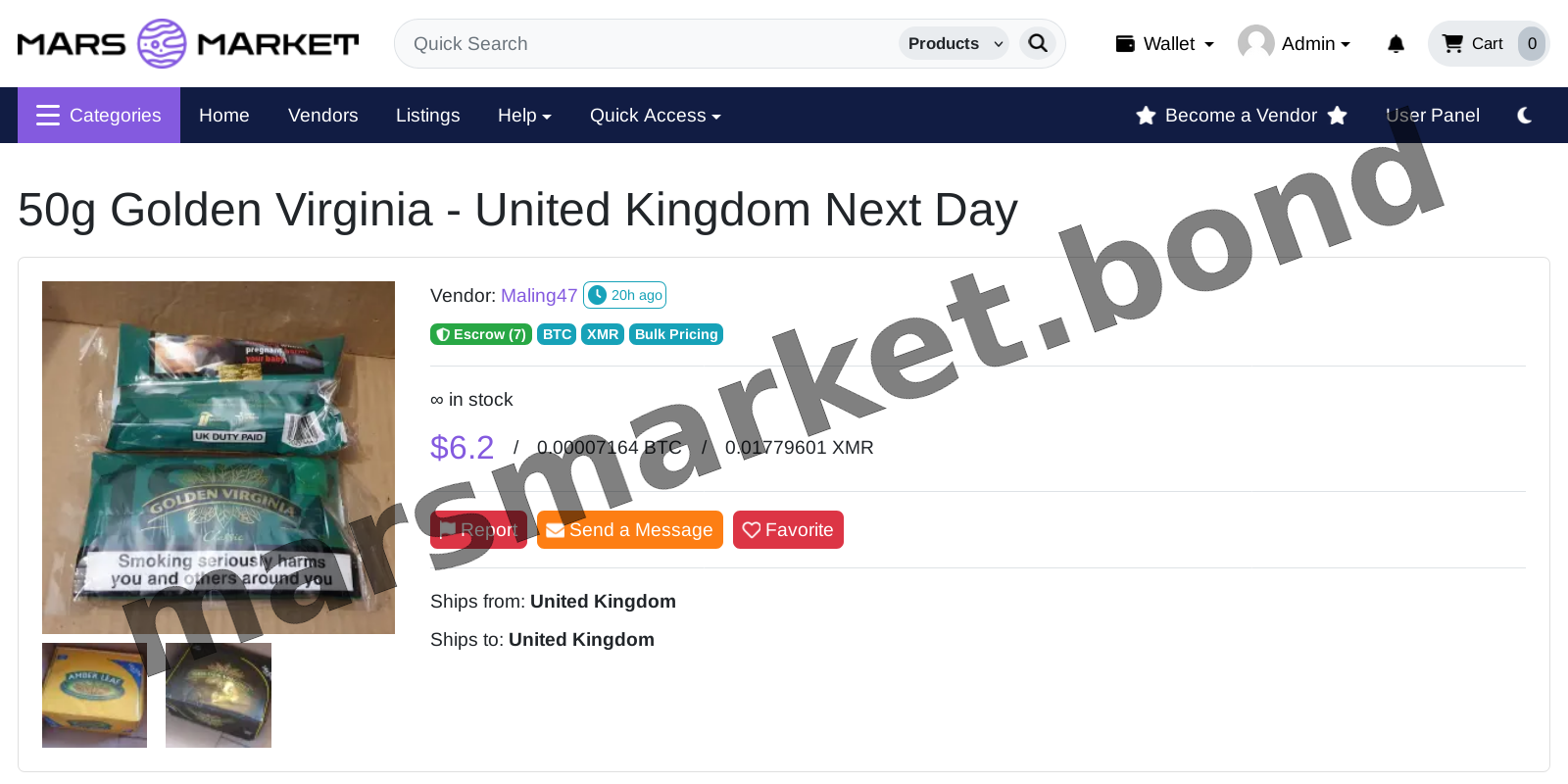
Fig 4. Main Market Dashboard
Category navigation and aggregate metrics.
Community Metrics
Statistical parsing of public network graphs suggests a growing user base, primarily driven by stringent access controls and a high barrier to entry for merchant accounts. The environment is heavily moderated by cryptographic algorithms.
Observers document that prospective distributors must deposit substantial non-refundable security bonds. This economic friction is deliberately designed to establish strong community reputation metrics and filter malicious node participation.
Observed Stats
- Node Uptime 98.9%
- Routing Tier V3 Hidden
- Auth Standard PGP-RSA 4096
- Primary Tx XMR (Monero)